Carbon offsetting, where greenhouse gas emitters invest in projects which reduce or avoid emissions elsewhere, has been on the receiving end of a lot of exceptionally scathing criticism - a lot of it justified. Aside from the deserved condemnation of the abundance of projects which totally fail to deliver the offsets they promised either through deceit or mismanagement, many critics disagree with offsetting on a conceptual level, accusing it of sins including greenwashing and colonialism. While certainly imperfect, I believe that carbon offsets’ shortcomings are made up for by their practicality and immediacy, and they have great potential which can be realised with better transparency and standardisation.
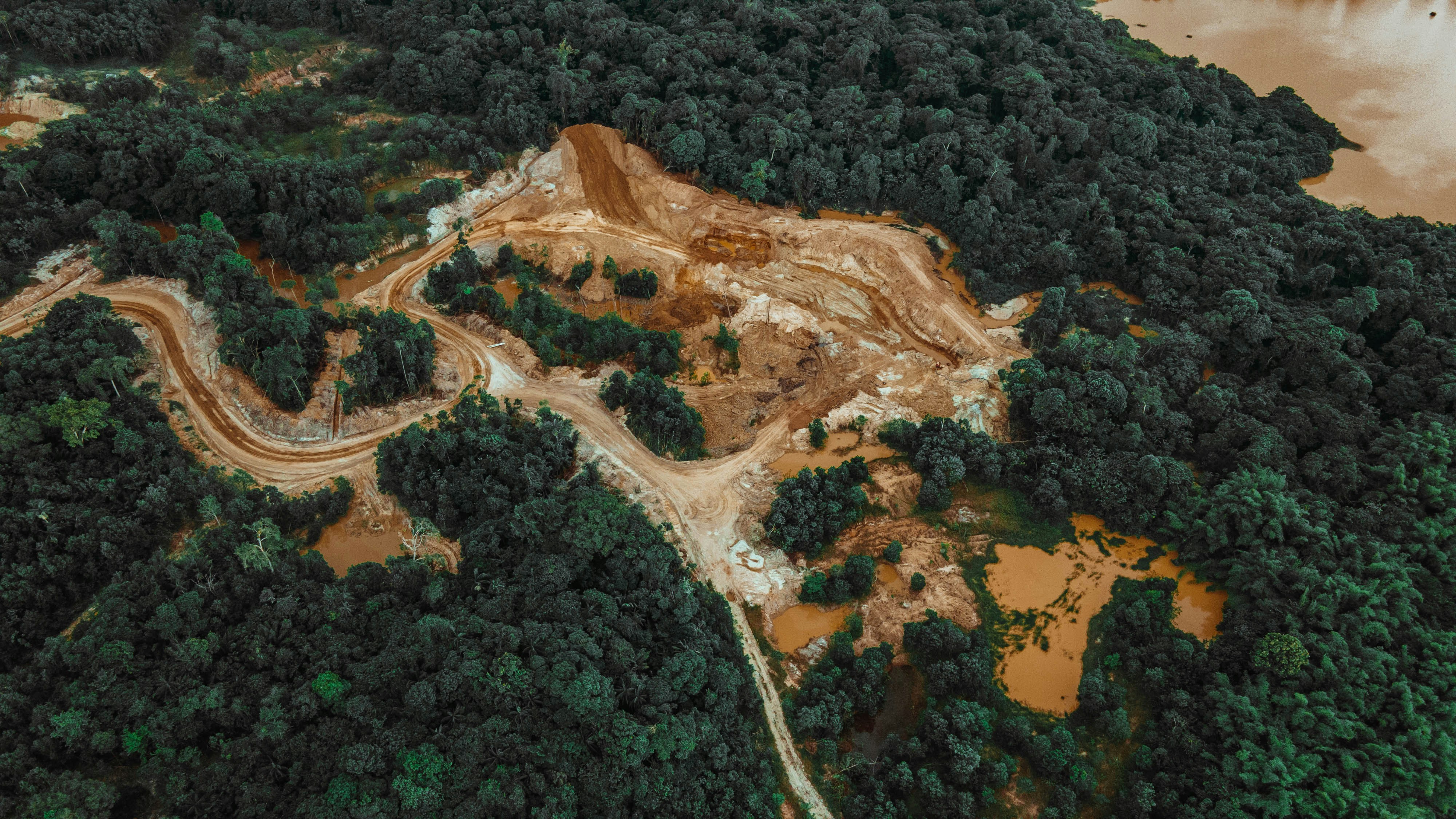
The colonialism allegations merit serious consideration. Since the majority of carbon offsetting projects currently focus on prevention of deforestation (REDD), or reforestation (ARR), most involve management of locations in the Global South, where most of the world’s remaining wilderness resides, particularly the Amazon rainforest. So what happens is that corporations in rich countries continue to emit while placing the burden of mitigation on poorer countries, explicitly forbidding them from exploiting their natural resources. In some cases, indigenous people have even been displaced from project areas in the name of management on behalf of corporations - clearly this is reprehensible. However, when done thoughtfully, it is hard to overstate the value of the preservation of rainforest carbon sinks in the fight against climate change. Although Jair Bolsonaro has left office, the threat posed by leaders like him who would sacrifice huge swathes of rainforest for economic gain still looms large and any protection against it should be welcomed. Despite the valid reservations many may have about carbon offsets, when done right they provide indispensable protection for Earth’s most valuable natural resources.
Since carbon offsets are purchased by the largest emitters and do not entail any real change in these companies’ industrial practices which are the source of the problem, it is inevitable and reasonable that they should receive accusations of greenwashing. In fact, most carbon offsets do not even directly lower atmospheric greenhouse gas levels, instead taking credit for ‘avoided’ emissions: for example, by preventing an area of rainforest from being removed. Quantification of the offsets provided by avoided emissions projects is fraught with controversy because it is often difficult to prove that the carbon source was actually at risk in the first place, and so many of these projects are essentially considered worthless due to fraudulent baseline measurements.
Verra, the largest registry and issuer of carbon credits (each equivalent to one metric ton of carbon offsetted) recently revoked credits from a collection of projects paid for by Shell which exaggerated reductions in methane emissions in Chinese rice paddies. This came after an investigation - marred by allegations of conflicts of interest - over years, during which time Shell continued to promote the virtues of the projects through their communications and included them in net zero calculations. It was eventually found that the measures implemented in this project were essentially already common practice in the region. Shell are by far the largest purchasers of carbon credits globally, and in the face of scandals like these as well as their reputation for greenwashing, it is hard not to wonder to what extent carbon offsets purchasers can really be trusted to be acting in good faith.
However, the exploitation of carbon offsets by some bad actors does not mean that they can never be worthwhile. The emergence of the independent raters of offsetting projects, BeZero Carbon and Sylvera, is an important step in ensuring trust and transparency in the industry among both corporations and environmentalists. These raters have access to extremely detailed remote sensing technology which can map projects to the level of individual trees, allowing offsets to be accurately quantified. Companies can thus now make much better informed carbon credit purchasing decisions, ensuring that offsets are genuinely taking place. The next step is regulation which formally penalises those who are knowingly involved in fraudulent offsetting projects, and this is surely imminent.
Of course, in an ideal world there would be no need for carbon credits because there would be no emissions to offset. But in the climate emergency we find ourselves in, urgent action is needed, and any initiatives with the potential to make a real difference should not be dismissed just because they are works in progress with some issues to be ironed out. It is true that a huge, all-encompassing revolution is what is truly needed if there is to be any chance of reaching targets like limiting warming to 1.5 C, but in the meantime we need to seize on any marginal improvements we can get.